This is a report on my experience participating in the “Institute for Biosystems and Bioengineering Conference (IBB-C).” I was incredibly grateful for the opportunity to attend the symposium and, more than that, to return home for the first time after two months of residing in Japan. Although I did feel excitement, it was faint, overshadowed by the nervousness of approaching research deadlines for my conference presentation.
Time passed quickly, and suddenly there was only one week left before the presentation. An unexpected incident occurred when my flight was cancelled by the airline, although it was eventually rearranged. Originally, I was supposed to travel alone. While I usually enjoy traveling by myself, this time, having the same flight with Nakaya-san and Goto-san, might be just twice as fun. I looked forward to it.
I turned out to have the exact seat beside Goto-san, despite us doing checking online on different times. What a strange yet funny coincidence. Because of a busy day, I had not eaten dinner before the flight. Even though the in-flight meals had to be purchased, I bought macaroni and cheese with a cup of coffee for 1000 yen anyway. Very expensive for a meal gone in the blink of an eye (I literally finished it in 3 minutes). I was thankful to Goto-san for accepting my offer of the coffee, since I couldn’t drink one. We arrived around 1:30 AM in Thailand for transit.
This was my first time in Thailand, let alone Don Mueang Airport. To my surprise, Don Mueang felt almost identical to Indonesia—the streets, the ambience, and even the smell felt familiar, with the only difference being the language. Even the hotels felt the same.
I only fell asleep around 4:00 AM and woke up at 7:30 AM. While lying in bed and waiting for Goto-san or Nakaya-san to reply to my messages, I was surprised to find from Goto-san’s SNS activity that he had already arrived at the airport. I immediately confronted him for not informing me and rushed there.
Upon meeting them at the airport, Goto-san explained that it was part of Sakai Laboratory’s “training” to be independent when traveling overseas. I decided to see in a positive light and proceed not to be angry with him (I was actually not angry with him at all, but don’t tell him this). We boarded the plane for a flight of around three hours. Landed safely at Soekarno–Hatta International Airport, I was finally home.

Fig 1. 15 minutes to landing in Soekarno–Hatta International Airport, Tangerang, Indonesia.
After making sure that Goto-san and Nakaya-san had boarded their GOJEK car (Indonesia transportation service similar to Uber), I went home by GOJEK motorbike, which took about the same amount of time as traveling by car but cost only half as much. Thankfully, the traffic jam had not fully started yet.

Fig 2. Jakarta’s street from a GOJEK motorbike passenger point of view.
Arrived at home, I was welcomed with Indonesian food and stories from when I left the house, like how my family had adopted a black cat named “Toothless” (from the black dragon in the movie “How to Train Your Dragon”). Before sleeping, my sister kept talking to me. I wanted to chat longer, but I was already worn out from the journey and felt guilty for being too tired. We used to see each other every day yet rarely talked this much, and I found myself listening more carefully than usual.
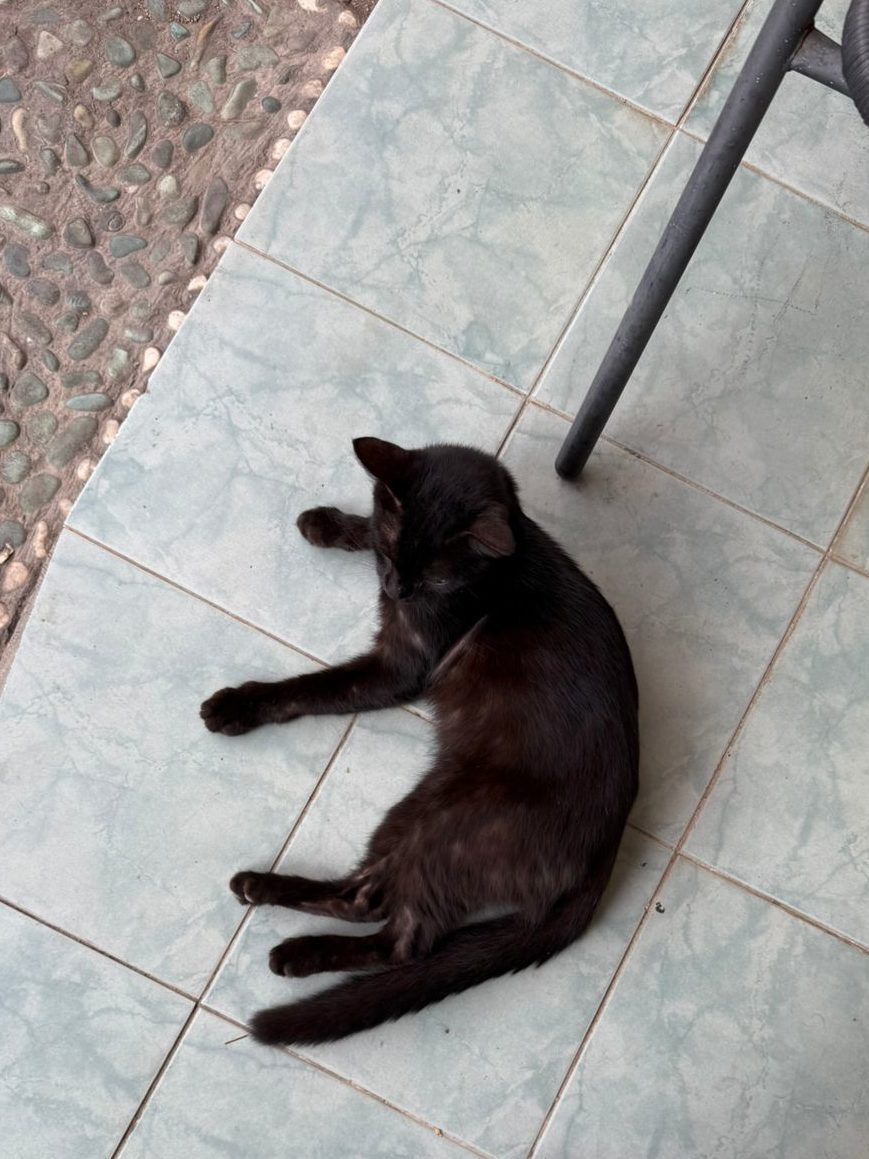
Fig 3. My family decided to replace me with a black stray cat they named Toothless.
Unlike in Japan, everything in Indonesia is unpredictable, so the next day I left the house at 7:00 AM to make sure I arrived on time. I thankfully made it early to the place and waited for Sakai-Sensei and everyone to arrive. The plan was to sightsee a private university near Universitas Indonesia, called Universitas Pancasila, but I felt sorry for not introducing much about it.
We then drove to Universitas Indonesia (I sincerely apologized to Kotani-san for not leaving him a seat in the car). Along the way, we discussed driving speeds: in Japan, the limit is around 180 km/h, whereas in Indonesia it can go up to 240 km/h. That might be why it is normal to drive at around 140 km/h on highways in Sumatra, where there are hardly any cars on the road.
When we reached UI, we bought coffee at Maxx Coffee, then walked about 15 minutes to survey the venue for the next day’s presentation. Everyone was fascinated by a rambutan tree across the lake and even took photos of it. It was fascinating to watch them admire the fruit, because rambutan had always been ordinary to me—until I moved to Japan and realized how rare it is there.

Fig 4. Universitas Indonesia pedestrian area. The yellow bus can be used to commute between faculties, called “Bis Kuning” (literally translated as “yellow bus” in English).
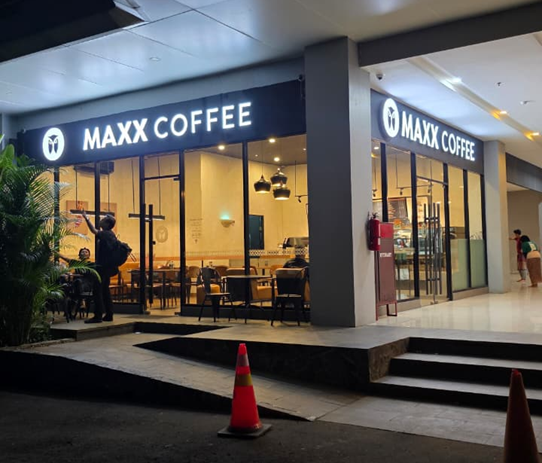
Fig 5. Maxx Coffee, located in the Faculty of Social and Political Sciences, Universitas Indonesia.
Walking through the engineering faculty again, it was kind of strange that I hardly felt anything. I had expected a wave of nostalgia, but perhaps how this faculty hardly changes appearance made me feel like I never left. I’m thankful that it at least felt nice.
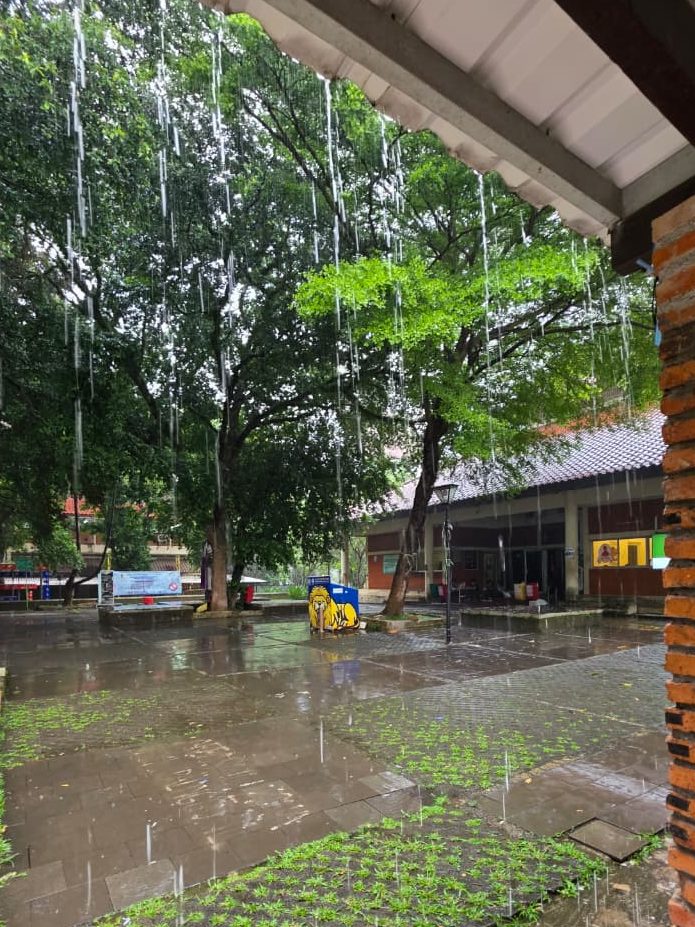
Fig 6. Faculty of Engineering, Universitas Indonesia. It was currently rainy season here.
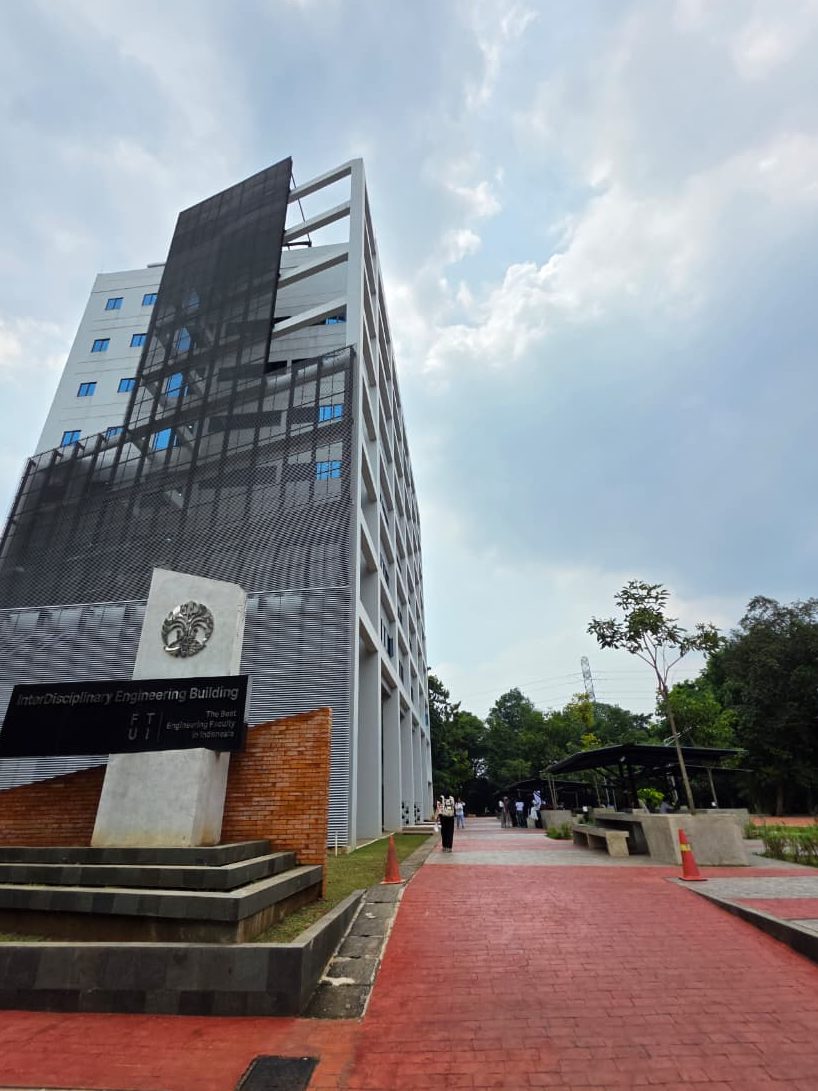
Fig 7. IDE (InterDisciplinary Engineering) Building, the venue for the IBB-Conference.
After surveying the venue, we went to the economics faculty cafeteria to experience a different atmosphere. There, I met my younger brother, a first-year psychology student at UI, who had just finished class for the day. I hadn’t told him I was coming home, so he was extremely shocked to see me from afar. It was very funny. He greeted Sakai-sensei as well—something I was nervous about—but I think it went smoothly. I hope so.
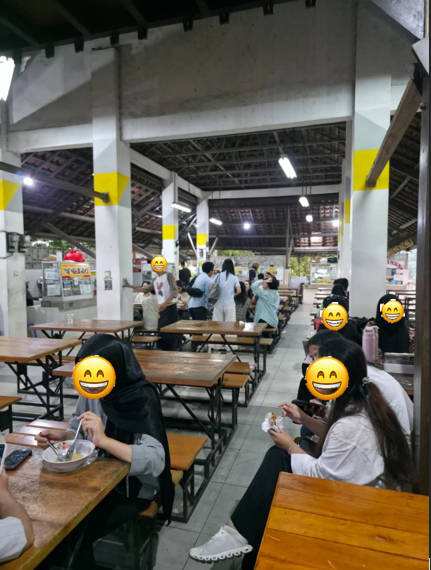
Fig 8. Cafeteria in Faculty of Economics, Universitas Indonesia.
We were given free time afterward, and everyone agreed to visit a theme park with a 1000-yen entrance fee. Thankfully, the road were not crowded around noon.
At the theme park, everyone found joy in ways I had never even imagined. The highlight was how everyone wanted to enter the snow-themed attraction. I had always thought fake snow was lame, so I had never gone inside despite this being my third visit. This time, however, I followed along—and suddenly, everyone was having fun. They later explained that Japanese people love snowball fights. I am now curious to see them play with real snow someday. That day, watching everyone having the best time with the simplest things like fake snow, I learned something new.

Fig 9. (Fake) snow attraction at Transtudio Cibubur Theme Park.
On the way back, despite Indonesia’s chaotic roads, everyone remained fascinated—pickup trucks filled with people, trucks transporting live chickens, swarms of insects around streetlights. I realized that while not everything is positive, from another perspective, there was enjoyment and interesting points to discuss and later learn about.
We were also listening to Japanese songs, mostly from anime and movies that my brother and I also watch. My brother kept talking to everyone in the back seat. I hoped the others were not disturbed after such a tiring day. When a Naruto song played, Goto-san told me that as a child, he would rush home every day to watch Naruto at 7 PM. I was surprised—that was exactly what my sister, myself, and most Indonesian kids did as well back then. A universal experience, despite the distance between our countries.
The next day was the symposium. I was very happy to see many familiar faces again. Among them was Nuzli-san, my undergraduate laboratory research assistant and a very dear senior to me. She presented her doctoral research titled “Genetic Engineering of Mesenchymal Stem Cells to Enhance the Production of BMP-2 Recombinant Protein in the MSC Secretome,” which focuses on genetically engineering mesenchymal stem cells (MSCs) to enhance the secretion of the bone-healing protein BMP-2 by optimizing its signal peptide, with the aim of creating a recombinant BMP-2–rich secretome as an alternative to bone grafting for fracture complications.
In her presentation, she spoke about a clinical challenge that often goes unnoticed: fractures do not always heal properly, and current approaches such as bone grafts and unmodified mesenchymal stem cell (MSC) therapy still have significant limitations. This problem became the foundation of her work and framed the entire presentation.
She began by explaining her preliminary studies, where an adenoviral vector was used to overexpress BMP-2 in different MSC sources. Although bone marrow–derived MSCs showed the highest intracellular BMP-2 levels, she highlighted a key limitation—poor secretion of the protein, which reduced its therapeutic potential.
To address this issue, she described performing an in silico screening of 70 candidate signal peptides to identify those most likely to enhance BMP-2 secretion. From this process, three candidates emerged: GDNFHUMAN, CAP7HUMAN, and PDGFHUMAN. She then presented how these constructs were tested in vitro using umbilical cord–derived MSCs and various transfection reagents, noting that Lipofectamine 3000 provided a transient yet acceptable transfection efficiency.
As a result, the construct containing the PDGFBHUMAN signal peptide produced the highest levels of BMP-2 in the secretome, while the MSCs retained their phenotype and exhibited enhanced osteogenic markers such as alkaline phosphatase activity and mineralization.
Overall, her presentation demonstrated how rational signal peptide engineering could significantly improve BMP-2 secretion and osteogenic activity. It also highlighted the potential of an MSC-derived recombinant BMP-2 secretome as a promising cell-free therapeutic strategy for bone regeneration.
Kotani-san then asked how Nuzli-san conducted the isolation of the MSC cells, since from what I understand, is a difficult procedure to do in Japan. Nuzli-san then explained that in Indonesia, collaboration between the Faculty of Medicine at Universitas Indonesia and Dr. Cipto Mangunkusumo Hospital facilitates access to primary patient samples.
This reminded me of my own experience during my undergraduate years, when I had to isolate fibroblasts for my thesis using keloids from C-section patients. Keloid from C-sections is essentially a rich source of fibroblasts, due to the overproduction and excessive accumulation of collagen and extracellular matrix components. To retrieve the keloid, I was granted the rare opportunity to participate in the C-section operation. With my own eyes, I watched the baby being taken out from the mother’s womb. Only now do I realize how extraordinary it was to witness something so magnificent that most people never get to see.
I was the last presenter of the day, so I was nervous the entire day waiting for my turn, even though my presentation was not as complex as everyone else’s. I thought to myself that I need to work harder next time.
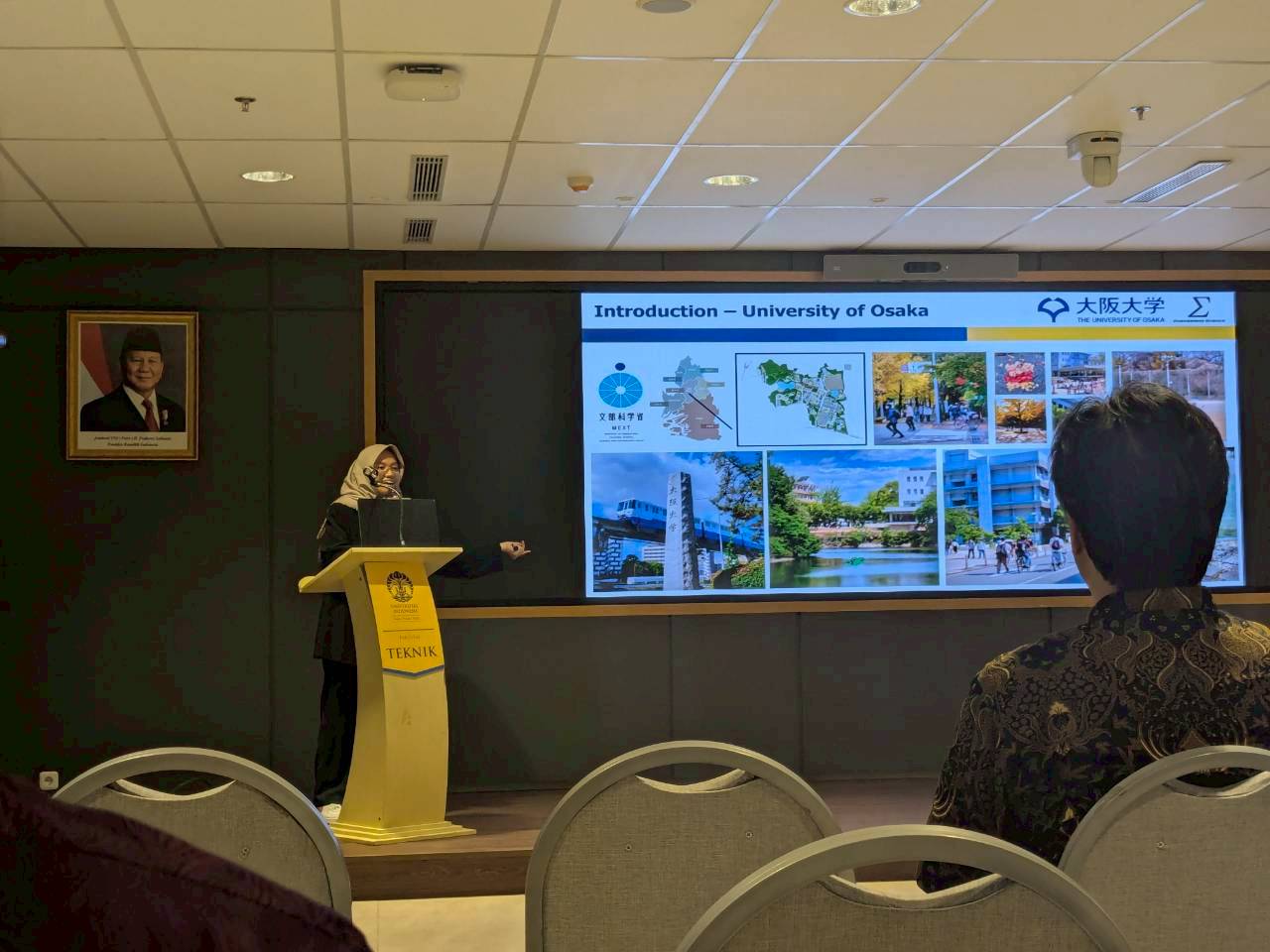
Fig 10. D-Day of IBB Conference.
Afterward, we discussed where to go and decided on Marugame Udon, about 15 minutes from UI. There, I met Sahla-san, Wiji-san’s sister-in-law. We bonded instantly—perhaps because we are the same age. Everyone said the taste wasn’t so different from Japan. We then went shopping for Harum Manis mangoes, a particularly sweet Indonesian variety. It turned into a mini “fruit tour,” as the shopkeeper gave us many testers—muscat grapes, oranges, even peanuts. I wondered whether this generosity was because they recognized my companions as tourists and wanted to welcome them, or simply because the supermarket was an upscale one. Either way, I was grateful it became a precious memory.
Vid 1. Buying fruits in Farmer’s Market, a supermarket located in Margo City, a mall 15 minutes away from Universitas Indonesia.
The next day, I woke up late from exhaustion and spent the day reuniting with my big families and going to supermarket to buy souvenirs.

Fig 11. Variety of fruits commonly found in Indonesia supermarket I have not seen in Japan (possibly they are not in season yet).
I ended up finished packing around 7:30 PM and went straight to the airport. After checking in my luggage, I bid farewell to my family. Even after I had gone far inside the gate, when I looked back, my father didn’t move an inch and still waved.
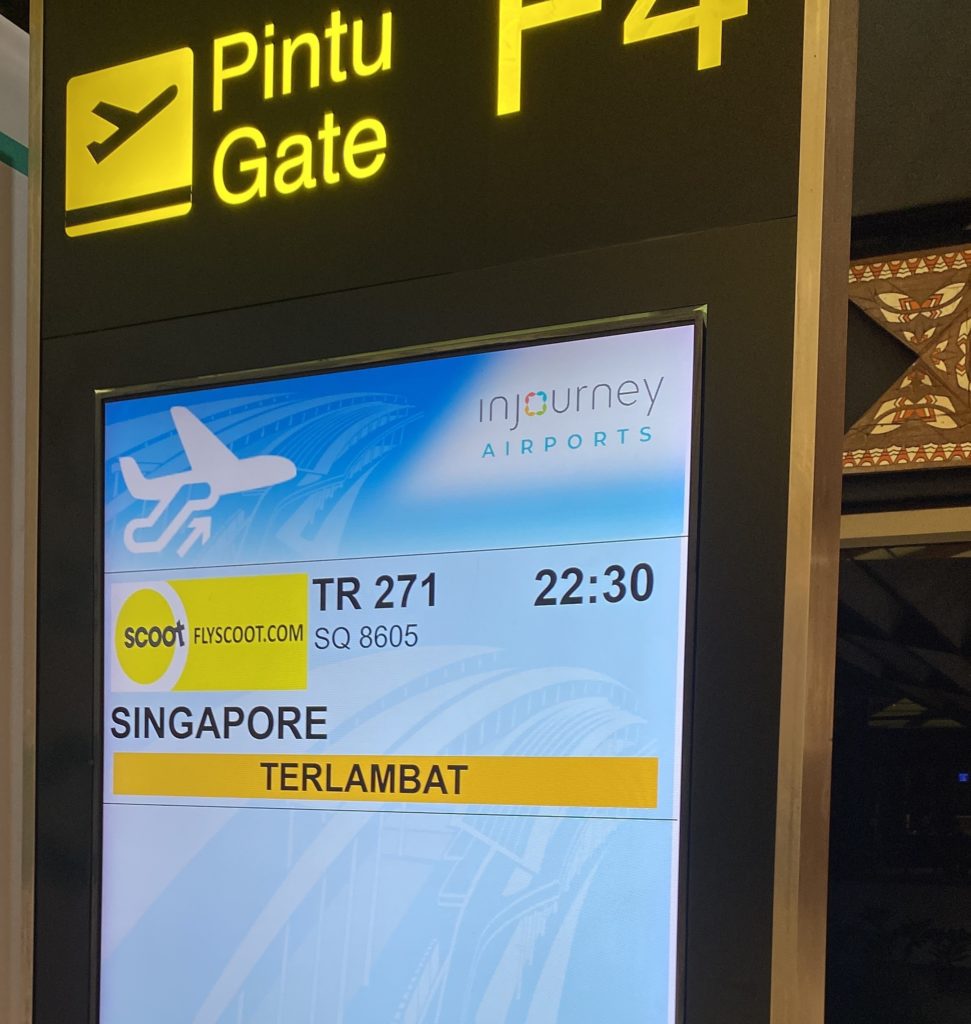
Fig 12. The flight back to Japan, transiting in Singapore, was delayed for around 30 minutes.
The flight was slightly delayed, but eventually we boarded. Once again, I found myself coincidentally sitting right next to Goto-san. Arriving in Singapore for transit, I felt a strange familiarity—even though the last time I was here was when I was in sixth grade. It still was the modern, advanced, clean, exactly as I remembered. The most surprising moment was discovering that my high school best friend happened to be in the airport as well, waiting for her flight. I thought on how many strange coincidences happened during this trip.
We arrived at Kansai International Airport at around 3:00 PM. I took the bus and then monorail to commute home. This particular bay has started to become familiar to me now.
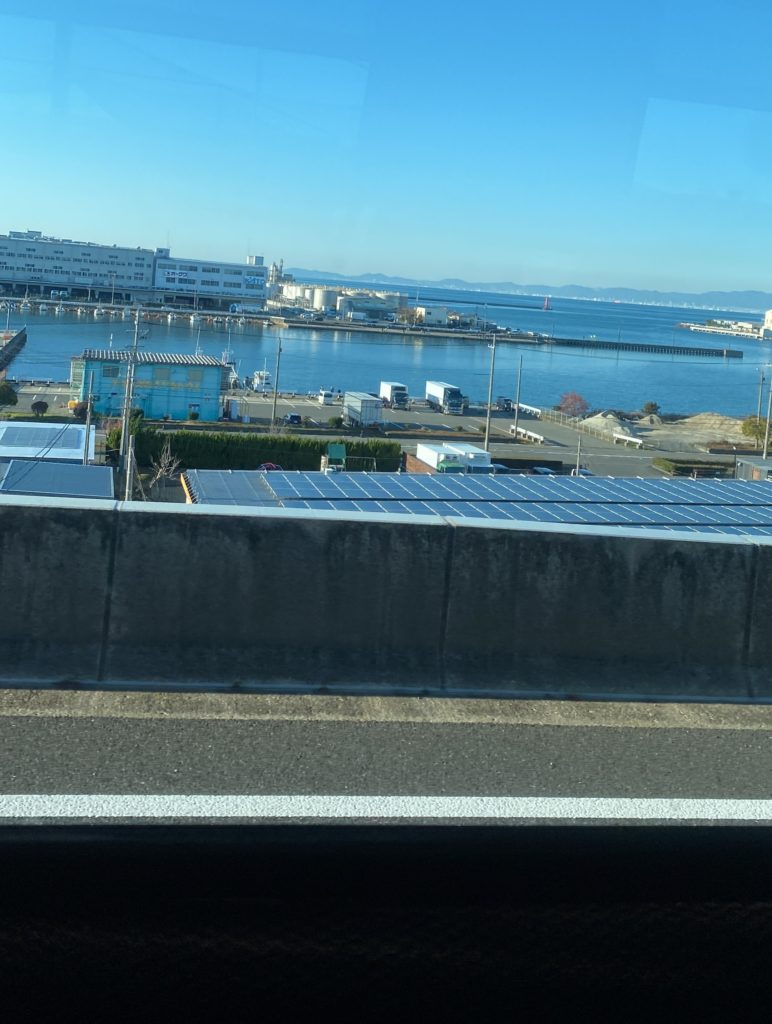
Fig 13. The view of Osaka Bay on my way back.
I thought back on everything—the invaluable symposium experience, the coincidences, the laughter on the road, the quiet conversations with my family and friends, and the simple joy of seeing Indonesia through someone else’s eyes. I carried something precious with me now.